


International cargo shipping from Pakistan is a structured logistics process that includes cargo preparation, export packing, documentation, customs clearance, freight forwarding, and final delivery to the destination country. Whether you are an exporter, overseas Pakistani, or business owner shipping goods abroad, understanding the complete workflow helps reduce delays, avoid hidden costs, and ensure safe international delivery.
Understanding International Cargo Shipping from Pakistan
International cargo shipping refers to transporting goods from Pakistan to global destinations using air freight or sea freight. Major export and logistics operations are handled through cities like Karachi, Lahore, and Islamabad where cargo consolidation, packing facilities, and customs processing centers are available.
The goal of international cargo shipping is to ensure secure handling, regulatory compliance, and timely delivery through efficient logistics planning and freight management.
Step-by-Step Process of International Cargo Shipping
Step 1: Identify Cargo Type and Shipping Requirements
The first step is evaluating what type of cargo you are shipping internationally. Cargo may include personal household items, fragile goods, commercial consignments, machinery, textiles, or bulk export shipments. Each category requires different export packing standards, freight handling procedures, and documentation requirements.
Understanding cargo characteristics helps determine the safest packing method, most suitable freight option, and estimated delivery timeline based on shipment size, weight, and destination country.
Step 2: Choose the Right Freight Method (Air Freight vs Sea Freight)
Selecting between air freight and sea freight is one of the most important decisions in international cargo shipping from Pakistan. This choice directly impacts cost, transit time, and cargo handling requirements.
Air freight is ideal for urgent deliveries, lightweight goods, electronics, and high-value items that require quick transportation. Sea freight is more cost-effective for heavy cargo, bulk shipments, and large-volume export consignments where delivery urgency is lower but cost savings are significant.
The right shipping method depends on cargo urgency, weight, fragility, and budget constraints.
Step 3: Export Packing and Cargo Protection Standards
Export packing plays a crucial role in protecting goods during international transportation. Since cargo travels long distances and passes through multiple handling points, strong and compliant packing materials are essential to prevent physical damage, moisture exposure, and compression risks.
Professional export packing solutions typically include reinforced cartons, wooden crates for delicate items, palletized packaging for bulk shipments, and waterproof wrapping for sea freight consignments. Proper packing also ensures compliance with international logistics safety regulations and reduces inspection issues during customs clearance.
Step 4: Cargo Measurement and Volumetric Weight Calculation
Shipping cost is calculated based on either actual weight or volumetric weight, whichever is higher. Volumetric weight is determined using cargo dimensions and reflects the space the shipment occupies during transport.
Accurate measurement is important because incorrect weight declarations can lead to re-calculated freight charges, billing disputes, or shipment delays at transit checkpoints.
Step 5: Prepare Export Documentation and Compliance Requirements
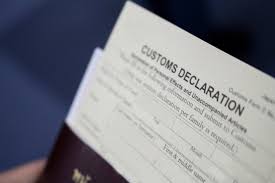
Documentation is a critical component of international cargo shipping from Pakistan. Proper paperwork ensures that shipments meet export laws, customs regulations, and international freight requirements.
Essential Cargo Shipping Documents
| Document | Purpose |
|---|---|
| Commercial Invoice | Declares shipment value and product details |
| Packing List | Specifies quantity, dimensions, and packaging |
| CNIC / NTN Copy | Confirms exporter or sender identity |
| Airway Bill / Bill of Lading | Official freight transport contract |
| Export Declaration | Verifies compliance with export regulations |
Complete and accurate documentation prevents customs delays and ensures smooth shipment processing.
Step 6: Customs Clearance Process in Pakistan
Before cargo is dispatched internationally, it must undergo export customs clearance. Customs authorities inspect shipment contents, verify declared values, and ensure compliance with national export regulations and restricted goods policies.
The clearance process includes document verification, cargo inspection, and duty assessment if applicable. Experienced freight forwarders manage customs procedures efficiently to minimize delays and ensure legal export approval.
Step 7: Freight Booking and Cargo Dispatch
Once packing and documentation are finalized, the cargo is booked with an airline or shipping line depending on the selected freight method. After booking confirmation, the shipment is dispatched from Pakistan for international transit.
Tracking details are usually provided at this stage, allowing senders to monitor cargo movement, estimated delivery timelines, and clearance updates during the shipping journey.
Step 8: International Transit and Final Delivery
During transit, cargo moves through international logistics networks toward the destination country. Common shipping routes from Pakistan include cargo deliveries to United Kingdom, United Arab Emirates, Saudi Arabia, and Canada.
After arrival, shipments go through destination customs clearance and are then delivered to the consignee’s address or warehouse. Door-to-door cargo services manage pickup, freight, clearance, and final delivery to ensure convenience and reliability.
Key Cost Factors in International Cargo Shipping from Pakistan
Several logistical elements influence international cargo shipping costs. These include shipment weight and volume, freight method selection, export packing requirements, destination country import duties, fuel surcharges, and optional services such as insurance or warehousing.
Air freight generally has higher costs due to speed and priority handling, while sea freight offers economical rates for heavy and large shipments. Understanding these cost factors helps businesses and individuals plan shipments effectively and avoid unexpected expenses.
Estimated Shipping Time for International Cargo from Pakistan
Shipping time varies depending on freight mode, customs clearance efficiency, and destination region. Air freight shipments typically arrive within a few days, while sea freight consignments may take several weeks due to port processing and shipping schedules.
Door-to-door cargo shipping services provide combined timelines that include freight transit, customs clearance, and inland transportation for final delivery.

Common Challenges in International Cargo Shipping
Common challenges include incomplete documentation, poor export packing, inaccurate cargo measurements, and compliance issues with export regulations. These problems can result in shipment delays, additional charges, or customs inspection holds.
Working with experienced logistics professionals ensures adherence to international shipping standards, proper documentation handling, and smoother cargo clearance and delivery operations.
Start Your International Cargo Shipping from Pakistan Today
Planning international cargo shipping from Pakistan requires expertise in export packing, documentation, customs clearance, and freight management. Choosing a professional logistics partner ensures that your shipment is handled safely, delivered on time, and processed in compliance with international trade regulations.
If you are shipping household goods, commercial products, or bulk consignments overseas, consult an experienced cargo service provider to receive customized freight solutions, transparent cost estimates, and reliable door-to-door delivery support tailored to your cargo type and destination.