International trade plays a vital role in Pakistan’s growing economy. Whether you are importing machinery, consumer goods, industrial equipment, or commercial products, understanding customs clearance in Pakistan is essential for smooth and timely delivery. Delays in customs procedures can increase costs, disrupt supply chains, and impact business operations. At Zain Packers, our logistics and cargo handling team has worked with businesses, importers, and commercial clients across Pakistan. Through years of practical experience, we have seen how proper documentation and compliance can significantly reduce delays and unexpected expenses. This guide explains the entire process in a clear and practical manner.
What Is Customs Clearance in Pakistan?
Customs clearance in Pakistan refers to the official process through which imported or exported goods receive approval from customs authorities before entering or leaving the country. The process ensures compliance with national regulations, collection of applicable duties and taxes, and verification of shipment details.
The customs clearance process involves documentation review, valuation checks, duty assessment, inspections when required, and final release of goods.
Why Customs Clearance Matters?
Every shipment entering Pakistan must comply with customs regulations. Failure to meet documentation or regulatory requirements can result in penalties, shipment holds, or additional costs.
Proper customs clearance helps businesses:
- Ensure legal compliance with import regulations.
- Minimize shipment delays and storage charges.
- Improve supply chain efficiency.
- Avoid unnecessary penalties and disputes.
Customs Clearance in Pakistan: Step by Step Process
Step 1: Shipment Arrival
When imported goods arrive at a port, airport, or border terminal, the shipment is recorded in the customs system. The importer or customs clearing agent receives arrival notifications and begins preparing clearance documentation.
Step 2: Documentation Submission
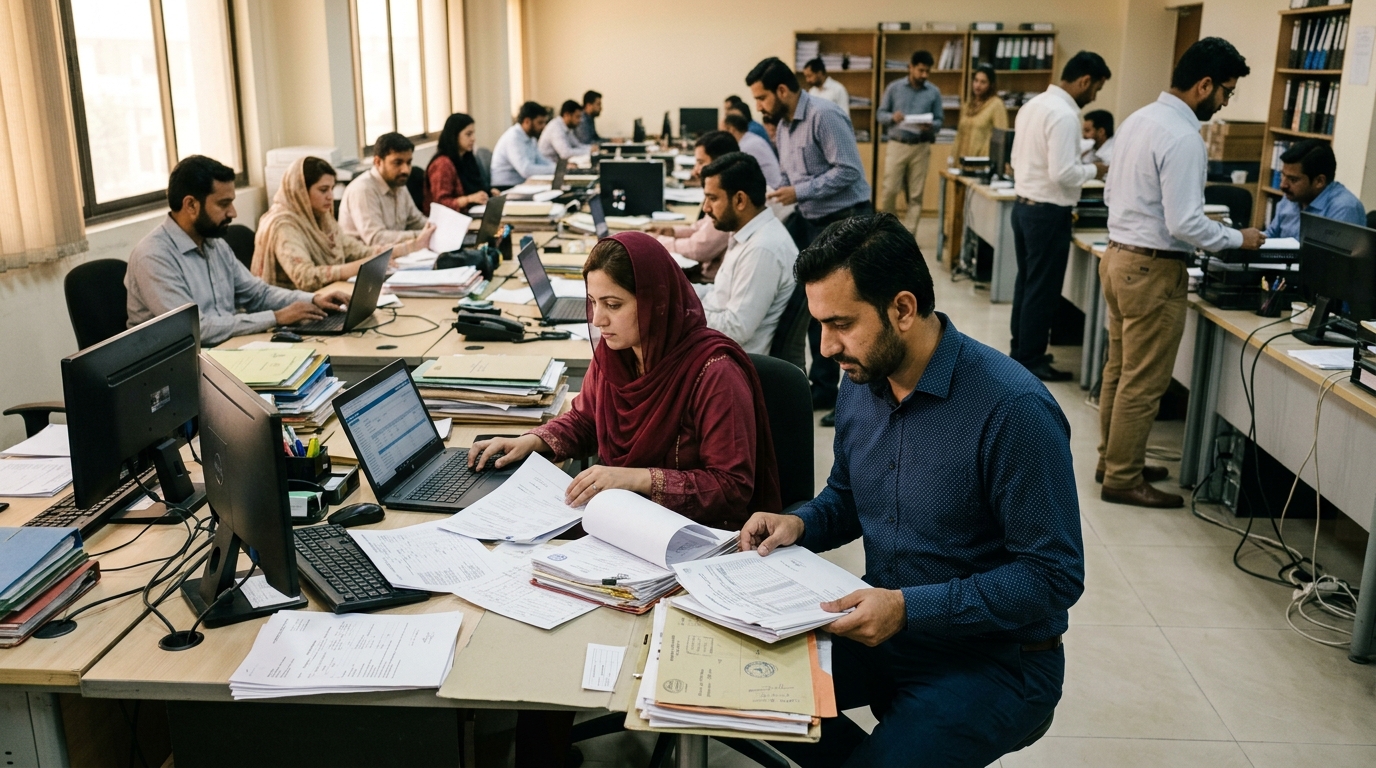
The customs department requires specific documents before processing any shipment. Proper documentation is one of the most important aspects of customs clearance. Even minor errors can cause delays and additional verification procedures. Importers should carefully review all paperwork before submission. Businesses that maintain accurate records often experience faster processing times. Missing details related to product descriptions, quantities, or invoice values can lead to customs queries. Our team at Zain Packers regularly assists clients in reviewing documentation before submission to reduce the risk of delays and compliance issues.
Commonly required documents include:
- Commercial Invoice
- Packing List
- Bill of Lading or Air Waybill
- Import License if applicable
- Certificate of Origin
Step 3: Goods Declaration
After documentation is submitted, a Goods Declaration is filed electronically through Pakistan Customs systems. This declaration contains detailed information regarding the shipment, including product descriptions, values, tariff codes, and origin details. The accuracy of this declaration directly impacts processing speed. Incorrect classifications can lead to reassessments and penalties. Experienced customs professionals understand the importance of using the correct Harmonized System codes. Proper classification helps determine applicable duties and taxes. Businesses should verify product information carefully before final submission to avoid complications during customs review.
Key declaration details include:
- Product classification codes
- Quantity and weight information
- Country of origin details
- Declared shipment value
Step 4: Duty and Tax Assessment
Customs authorities evaluate the declared value of imported goods and calculate applicable duties and taxes. The amount payable depends on several factors including product category, customs valuation, and applicable trade regulations. Different goods may be subject to varying duty structures. Importers should estimate these costs before shipment arrival to avoid unexpected financial burdens. Proper budgeting improves overall logistics planning. Professional customs support can help businesses understand expected charges before importing goods into Pakistan.
Typical charges may include:
- Customs Duty
- Sales Tax
- Income Tax
- Additional Regulatory Duties where applicable
Step 5: Customs Examination and Inspection
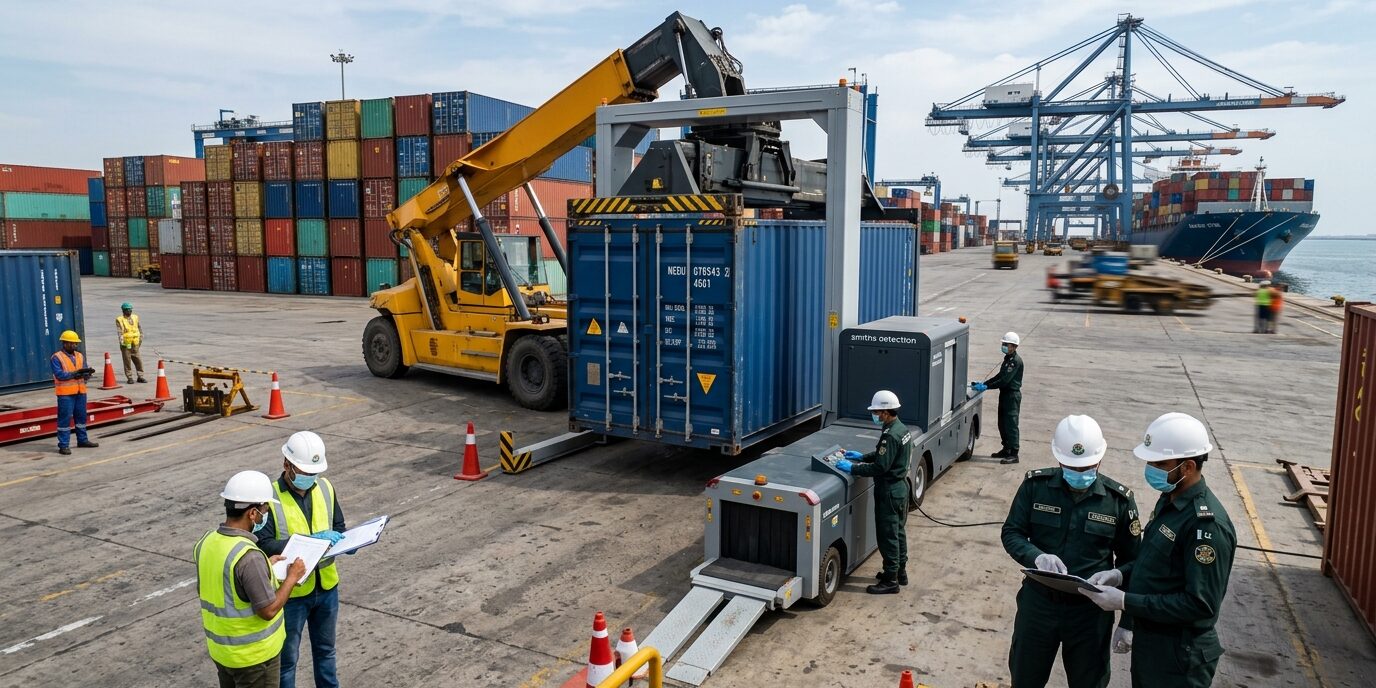
Not every shipment undergoes physical inspection. However, customs authorities may select shipments for examination based on risk assessment procedures. Inspections are conducted to verify that declared information matches the actual contents of the shipment. Customs officers may review packaging, quantities, labels, and product specifications. Well documented shipments generally experience fewer complications during inspection procedures. Transparency and compliance remain essential throughout the process. Businesses should maintain complete supporting records to facilitate smooth inspections whenever required.
Inspection activities may include:
- Physical cargo verification
- Product description confirmation
- Quantity checks
- Regulatory compliance review
Step 6: Payment of Duties and Taxes
Once assessment is completed, the importer must pay all applicable duties and taxes before goods can be released. Prompt payment helps avoid unnecessary storage and demurrage charges. Delayed payments can increase overall import costs and affect delivery schedules. Many businesses integrate customs cost planning into their procurement process to ensure timely payment and release. Efficient coordination between finance and logistics teams often results in faster shipment movement.
Payment considerations include:
- Verification of assessed charges
- Timely payment processing
- Record maintenance
- Confirmation of customs receipts
Step 7: Release of Goods
After all requirements have been fulfilled, customs authorities issue release approval and the shipment becomes available for collection or onward transportation. At this stage, goods can move from the port, airport, or terminal to their final destination. Professional logistics coordination helps ensure smooth transportation after customs release. Businesses should arrange transport in advance to avoid unnecessary storage expenses. A well managed post clearance process contributes to faster deliveries and improved customer satisfaction.
Final release activities include:
- Customs release confirmation
- Cargo collection arrangements
- Transportation scheduling
- Delivery coordination
Required Documents for Customs Clearance in Pakistan
| Document | Purpose |
|---|---|
| Commercial Invoice | Confirms shipment value |
| Packing List | Details package contents |
| Bill of Lading | Proof of shipment transportation |
| Certificate of Origin | Verifies manufacturing country |
| Import License | Required for specific goods |
| Goods Declaration | Official customs filing |
Common Challenges During Customs Clearance
Documentation Errors
Incorrect paperwork remains one of the leading causes of shipment delays.
Incorrect Product Classification
Wrong tariff codes can result in additional duties, penalties, or customs disputes.
Regulatory Compliance Issues
Certain products require approvals, certifications, or permits before importation.
Unexpected Costs
Importers sometimes underestimate customs duties and related taxes.
Why Choose Zain Packers?
At Zain Packers, we understand that timely customs clearance directly impacts business operations. Our experienced logistics professionals work closely with clients to ensure compliance, accurate documentation, and efficient shipment handling.
What sets us apart:
- Experienced customs and logistics support team
- Strong understanding of Pakistan import procedures
- Assistance with documentation preparation
- Efficient shipment coordination
- Reliable customer support throughout the process
Our practical industry experience allows us to guide businesses through complex customs requirements while minimizing delays and operational disruptions.
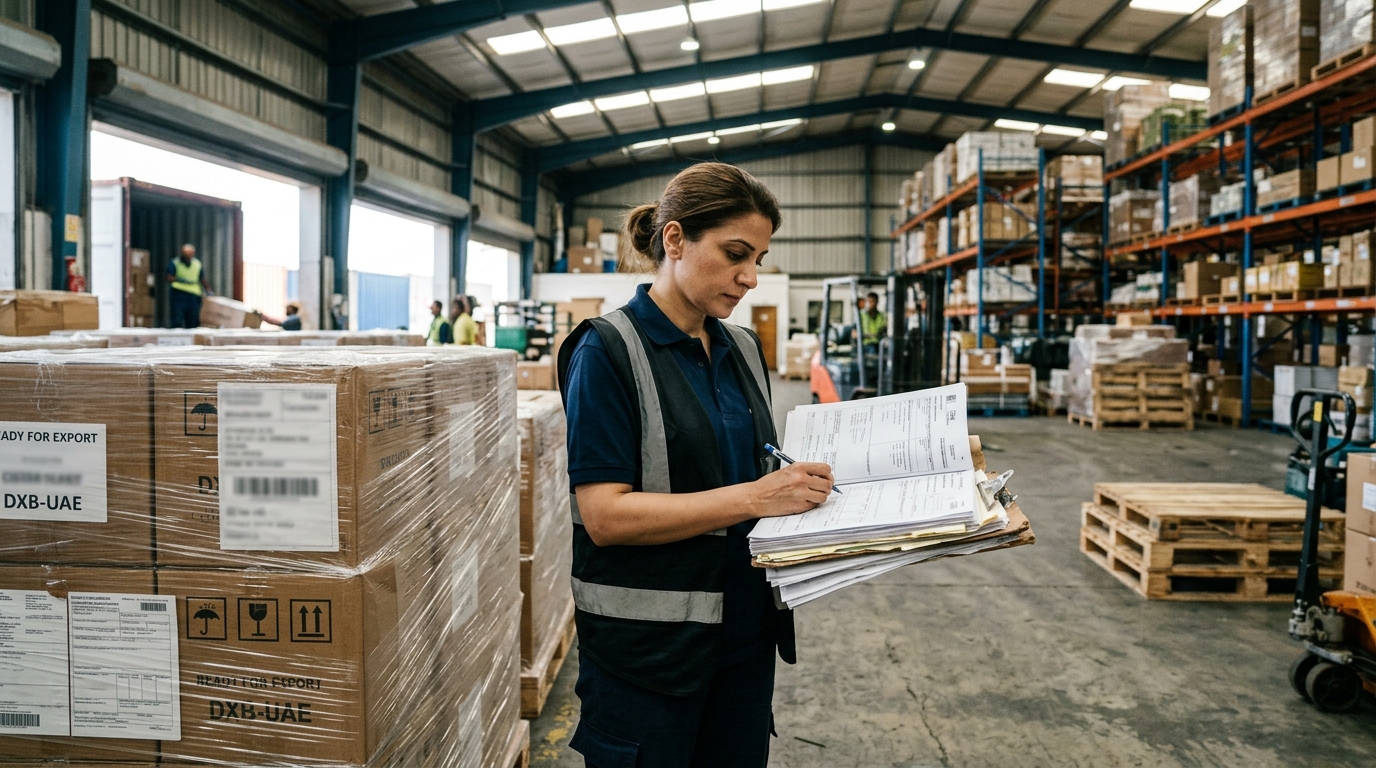
Expert Tips for Faster Customs Clearance in Pakistan
- Prepare all documentation before shipment arrival.
- Verify product classification codes carefully.
- Maintain accurate commercial invoices and packing lists.
- Work with experienced customs and logistics professionals.
Conclusion
Understanding customs clearance in Pakistan is essential for businesses involved in international trade. From documentation and declarations to inspections and final release, every step requires accuracy and compliance. Proper planning and professional support can significantly reduce delays and improve supply chain efficiency. At Zain Packers, we help businesses navigate customs procedures with confidence through experienced logistics support and practical industry expertise. By following the correct process and maintaining complete documentation, importers can achieve faster and more efficient customs clearance outcomes.
Frequently Asked Questions
1. How long does customs clearance in Pakistan take?
The timeframe varies depending on shipment type, documentation accuracy, inspections, and customs workload. Properly documented shipments are generally processed faster.
2. What documents are required for customs clearance in Pakistan?
Common documents include a commercial invoice, packing list, bill of lading, certificate of origin, import license where applicable, and goods declaration.
3. Can customs inspect every shipment?
No. Customs authorities use risk assessment systems, although selected shipments may undergo physical inspection.
4. What causes delays in customs clearance?
Documentation errors, incorrect classifications, unpaid duties, regulatory issues, and customs inspections are common causes of delays.
5. Do I need a customs clearing agent?
While not always mandatory, experienced customs professionals can simplify the process and help avoid costly mistakes.
6. How can Zain Packers help with customs clearance?
Zain Packers assists businesses with documentation guidance, shipment coordination, logistics support, and customs process management to ensure smoother cargo movement.