

Shipping goods internationally from Pakistan requires more than just packing and dispatching cargo. One of the most critical steps in international trade is the customs clearance process. Without proper clearance, shipments can face delays, fines, or even rejection at the port or airport.
Whether you are exporting or importing goods, understanding the customs clearance process in Pakistan is crucial for businesses. Efficient handling of customs not only ensures timely delivery but also improves your credibility with international buyers.
In this guide, we will explain the customs clearance procedure in Pakistan, the required documentation, common challenges, and tips to make the process smooth and hassle-free.

What Is Customs Clearance?
Customs clearance is the official process of getting goods approved by Pakistan Customs so they can legally enter or leave the country. This process applies to both imports and exports and involves verifying cargo details, documentation, and payment of applicable duties and taxes.
For exporters, customs clearance ensures that shipments meet all regulatory requirements before leaving Pakistan. For importers, it ensures that goods comply with Pakistani laws and that applicable customs duties are paid.
Customs clearance is not just a formality—it is a critical step to avoid fines, shipment delays, or legal issues.
Key Steps in the Customs Clearance Process in Pakistan
The customs clearance process in Pakistan involves several stages, which must be completed carefully to avoid delays. Here is a step-by-step breakdown:
1. Preparing Shipment Documentation
Before sending your cargo, ensure you have all the necessary documents ready. These typically include:
-
Commercial Invoice – Lists shipment value and details.
-
Packing List – Shows quantity, weight, and dimensions.
-
Bill of Lading / Airway Bill – Proof of shipment and carrier responsibility.
-
Certificate of Origin – Confirms where goods are manufactured.
-
Insurance Certificate – Covers goods against damage or loss.
-
Export License – Required for restricted items.
Proper documentation is the foundation of smooth customs clearance. Any missing or incorrect paperwork can cause significant delays.
2. Filing a Customs Declaration
Once the shipment is ready, the exporter or customs broker submits a customs declaration through the Pakistan Customs system. This declaration includes details such as:
-
Product description and HS code
-
Quantity and value of goods
-
Exporter and importer information
-
Mode of transport (air or sea)
The declaration can be filed electronically using the WeBOC system (Web Based One Customs), which simplifies processing and reduces manual errors.
3. Customs Assessment
After submission, customs officials assess the shipment to determine applicable duties and taxes. This includes:
-
Calculating customs duty and sales tax based on product type and value
-
Verifying HS codes to ensure correct classification
-
Checking compliance with any regulatory restrictions
If the shipment passes assessment, it moves to the inspection stage. In some cases, officials may request additional documents or clarifications.
4. Physical Inspection of Cargo
Customs may conduct a physical inspection of your shipment to ensure that the cargo matches the documentation. Common checks include:
-
Quantity verification
-
Product compliance with Pakistani regulations
-
Packaging and labeling verification
While not all shipments are physically inspected, exporters should always be prepared to cooperate with customs officials. Proper packing and accurate documentation can minimize the need for physical checks.
5. Payment of Duties and Taxes
Before the shipment is released, any applicable customs duties, taxes, or fees must be paid. Payments can be made electronically through the customs system.
Correct duty calculation is essential. Misdeclaring product value or HS codes can result in fines, penalties, or shipment delays. Working with a reliable customs broker can help ensure accurate duty payment.
6. Release of Cargo
Once all requirements are met, customs issues a clearance certificate, and the cargo is released for transport to its destination. Exporters can now hand over the goods to freight forwarders or shipping lines for delivery.
Timely clearance ensures that shipments reach buyers on schedule and helps maintain business credibility.
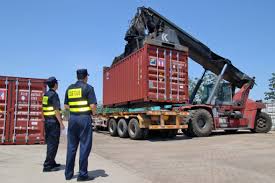
Common Challenges in Customs Clearance
Exporters in Pakistan often face the following challenges:
-
Incomplete Documentation: Missing invoices, licenses, or certificates can delay shipments.
-
Incorrect HS Codes: Misclassification leads to fines or re-assessment.
-
Delays in Duty Payment: Payment issues can hold cargo at ports for days.
-
Inspection Delays: Physical inspections can take extra time, especially for large shipments.
-
Compliance Issues: Certain products require additional approvals (chemicals, pharmaceuticals, etc.).
Being aware of these challenges and preparing in advance can save time and reduce unnecessary costs.
Tips for Smooth Customs Clearance
-
Plan in advance: Start preparing documents before shipment to avoid last-minute delays.
-
Double-check details: Ensure product descriptions, values, and HS codes are accurate.
-
Use a customs broker: Professionals can handle the process efficiently and avoid errors.
-
Keep digital copies: Helps quickly respond to any customs inquiries.
-
Follow Pakistan Customs updates: Regulations can change, so stay informed.
-
Proper packaging: Properly packed goods reduce the chance of inspection delays.
By following these tips, exporters and importers can significantly reduce delays and ensure a hassle-free customs process.
FAQs
Q1: How long does customs clearance take in Pakistan?
Clearance time varies depending on shipment type and inspection requirements. Generally, electronic filings without physical inspection take 1–3 business days.
Q2: Are customs brokers necessary for cargo clearance?
While not mandatory, brokers simplify the process, ensure correct documentation, and prevent errors that can cause delays.
Q3: What documents are essential for customs clearance?
Key documents include commercial invoice, packing list, bill of lading or airway bill, certificate of origin, and insurance certificate.
Q4: Can incorrect HS codes cause penalties?
Yes. Misclassification can result in fines, shipment delays, or additional duties.
Q5: Do all shipments undergo physical inspection?
Not all shipments are inspected. Customs usually inspects high-value, restricted, or suspicious shipments. Proper documentation reduces the likelihood of inspection.

Conclusion
The customs clearance process in Pakistan is a vital step in international cargo shipping. By understanding the process and preparing all required documents, exporters and importers can avoid delays, fines, and shipment rejection.
From preparing invoices and packing lists to filing electronic declarations and paying duties, every step is essential for smooth cargo movement. Working with professional freight forwarders or customs brokers can simplify the process, ensuring your shipments reach international clients safely and on time.
Proper customs management not only improves operational efficiency but also strengthens your business reputation in global markets. Start preparing your cargo documentation today to make customs clearance in Pakistan stress-free and efficient.